
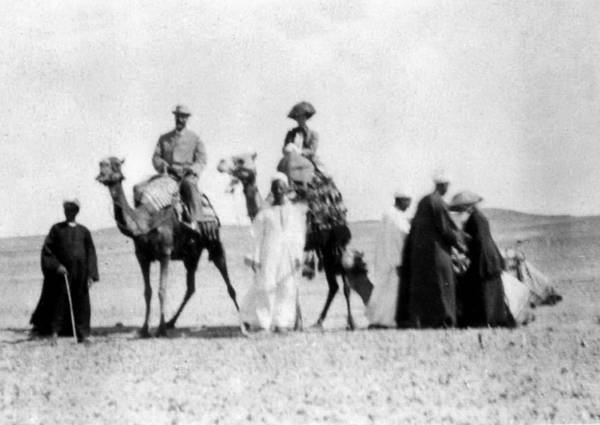
Граф Сергей Александрович Строганов приобретает двух арабских жеребцов и девять кобыл во время путешествия в Сирию и Северо-Аравийскую пустыню.
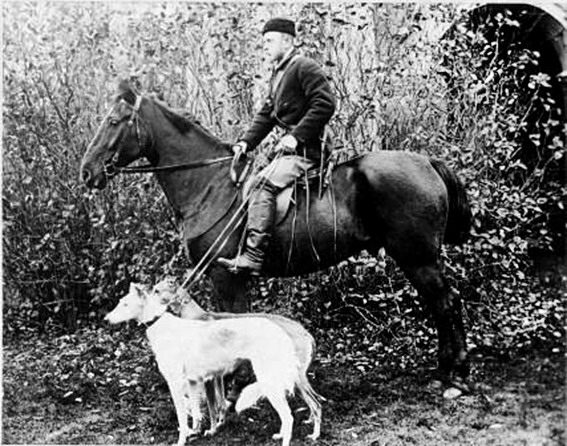
Граф Сергей Александрович Строганов в своем путешествии по Востоку с сестрой Ольгой и ее мужем князем Щербатовым принимает судьбоносное решение о формировании у подножья горы Змейки г. Минеральные Воды конного завода «Графский Хутор».
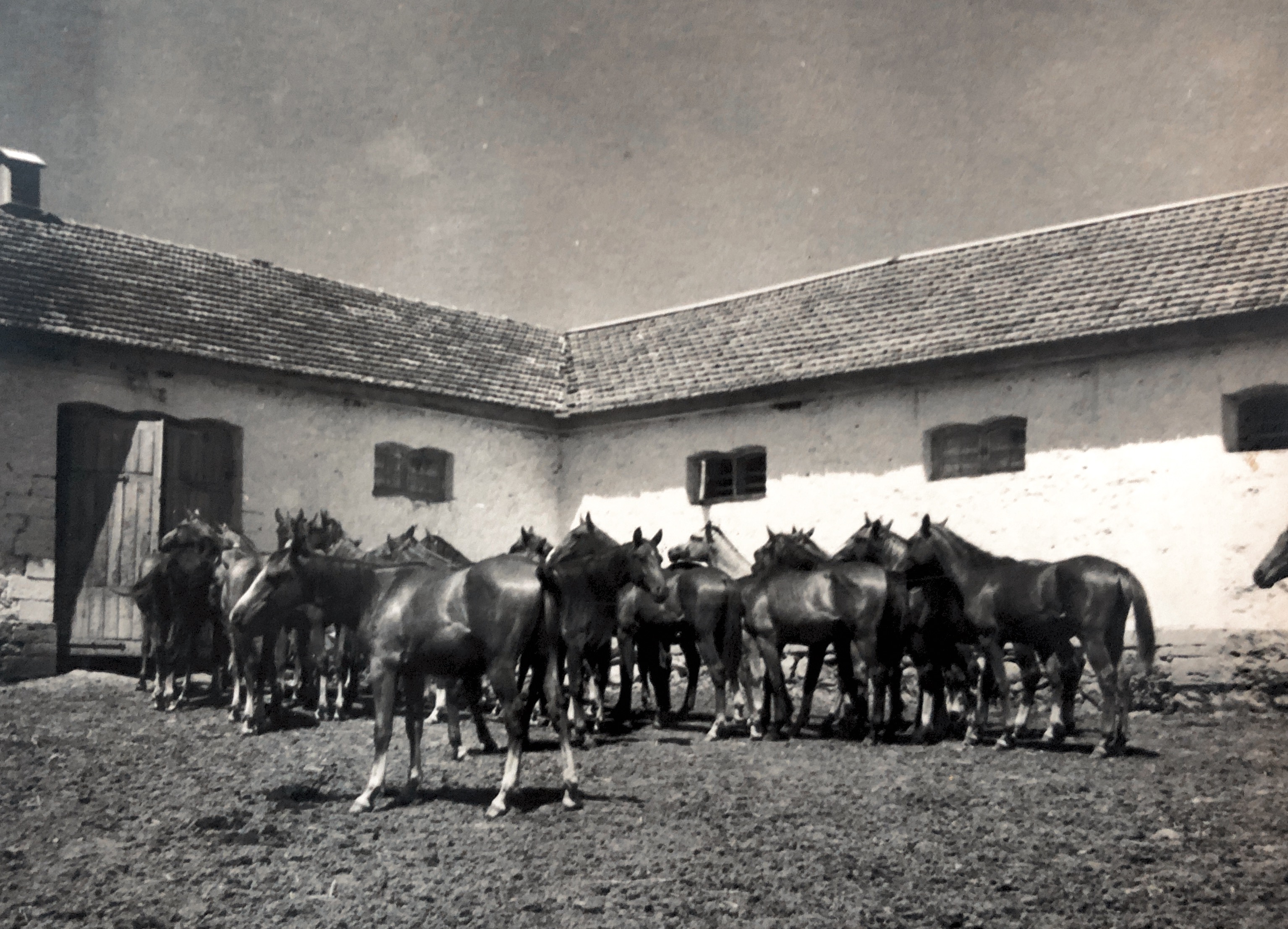
Конзавод уже насчитывает 9 жеребцов-производителей и 21 маток. Всего вместе с молодняком в заводе находилось 66 арабских чистокровных лошадей.
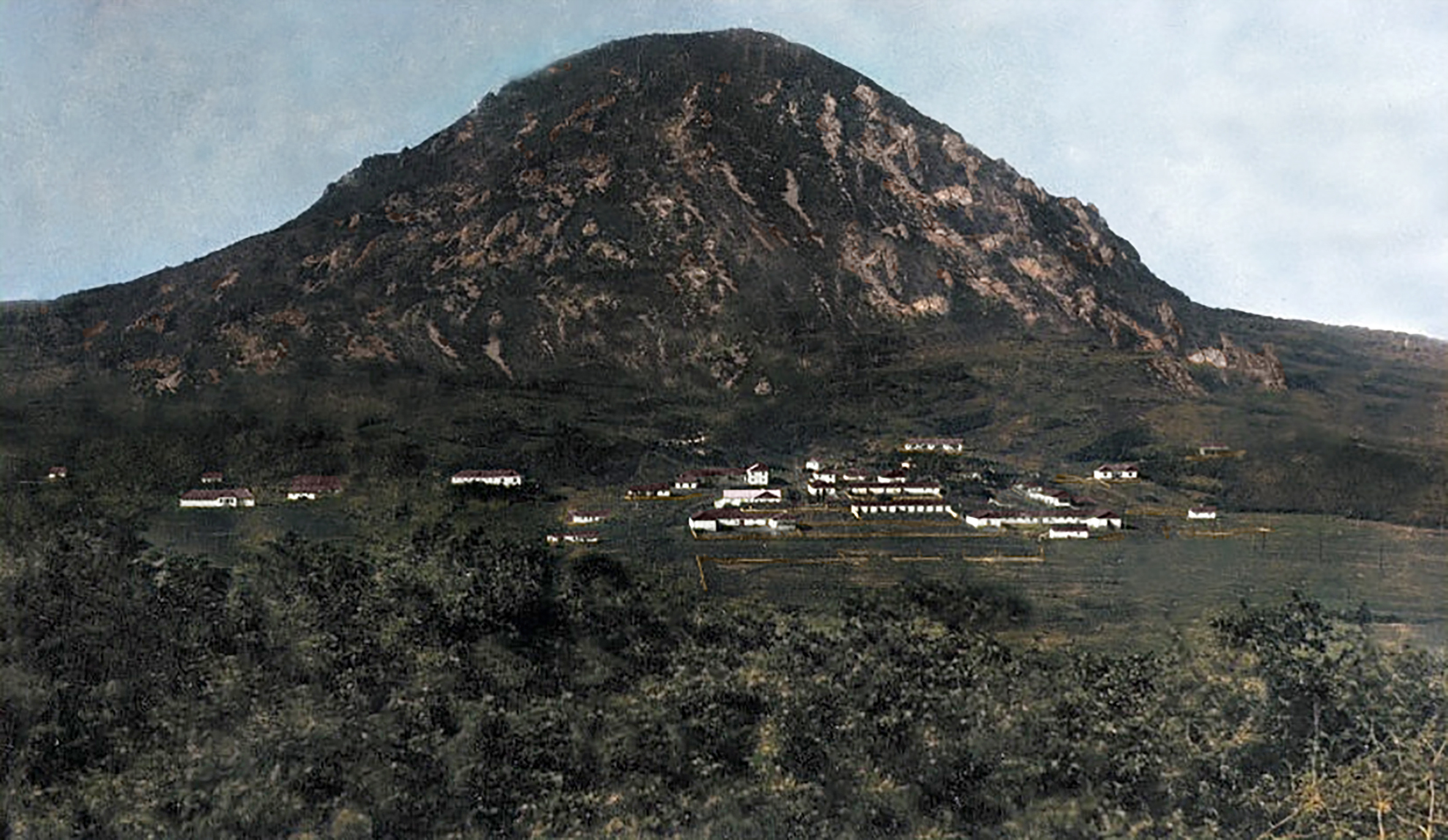
Племенной состав конного завода более 100 арабских чистокровных лошадей, в том числе 12 жеребцов и 32 кобылы. В первой племенной книге, выпущенной в Царской России, «Графский Хутор» фигурирует, как единственный, ведущий селекцию в арабской породе «в чистоте».
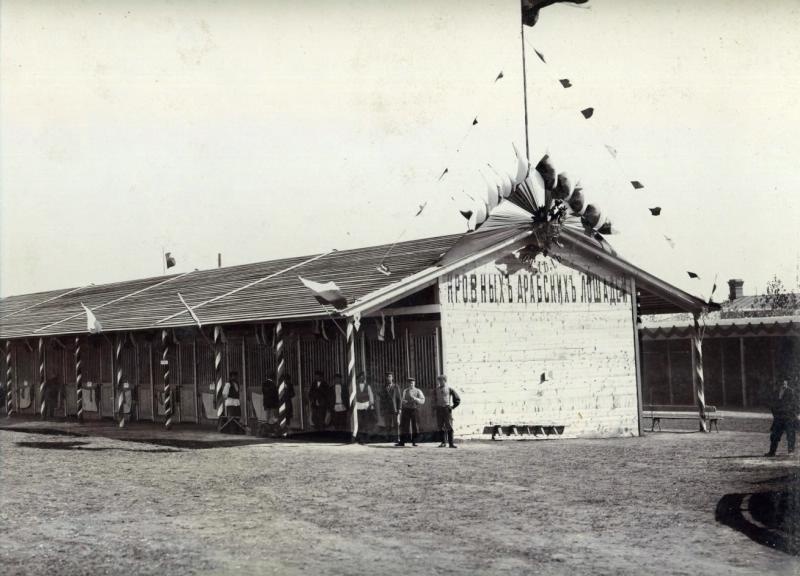
Первое участие и победы поголовья конзавода на сельскохозяйственных выставках в Ростове-на Дону и позднее, в Москве.
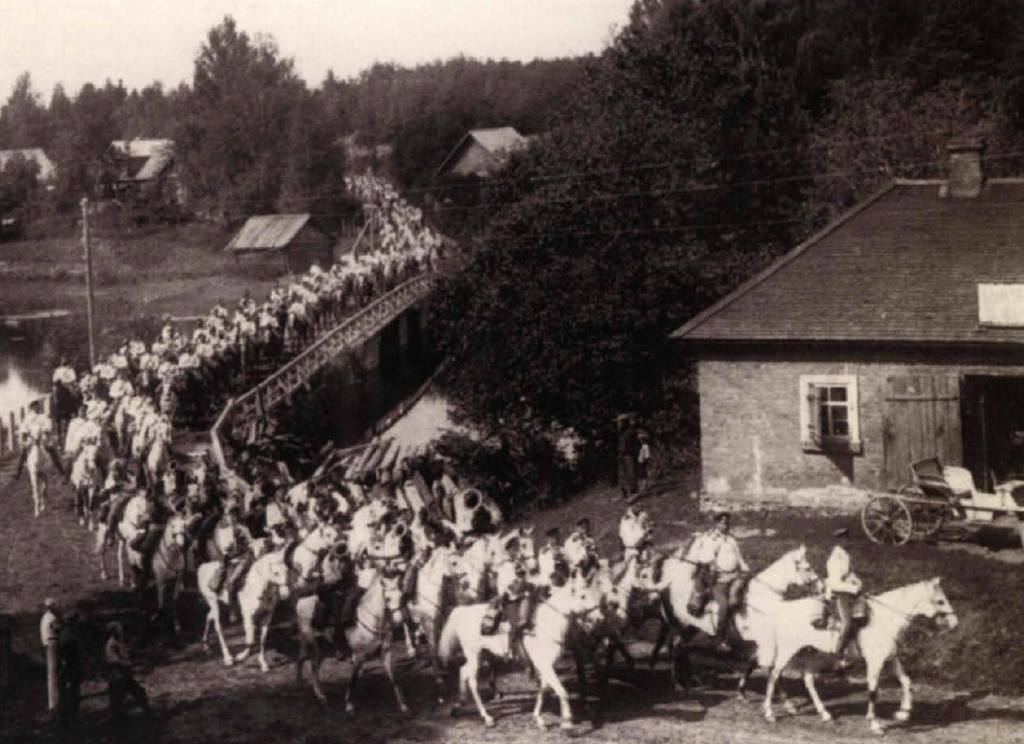
Конзавод «Графский Хутор» был перепрофилирован на производство кавалерийской лошади и к 1920 году от старого производящего состава не осталось ни одной лошади.
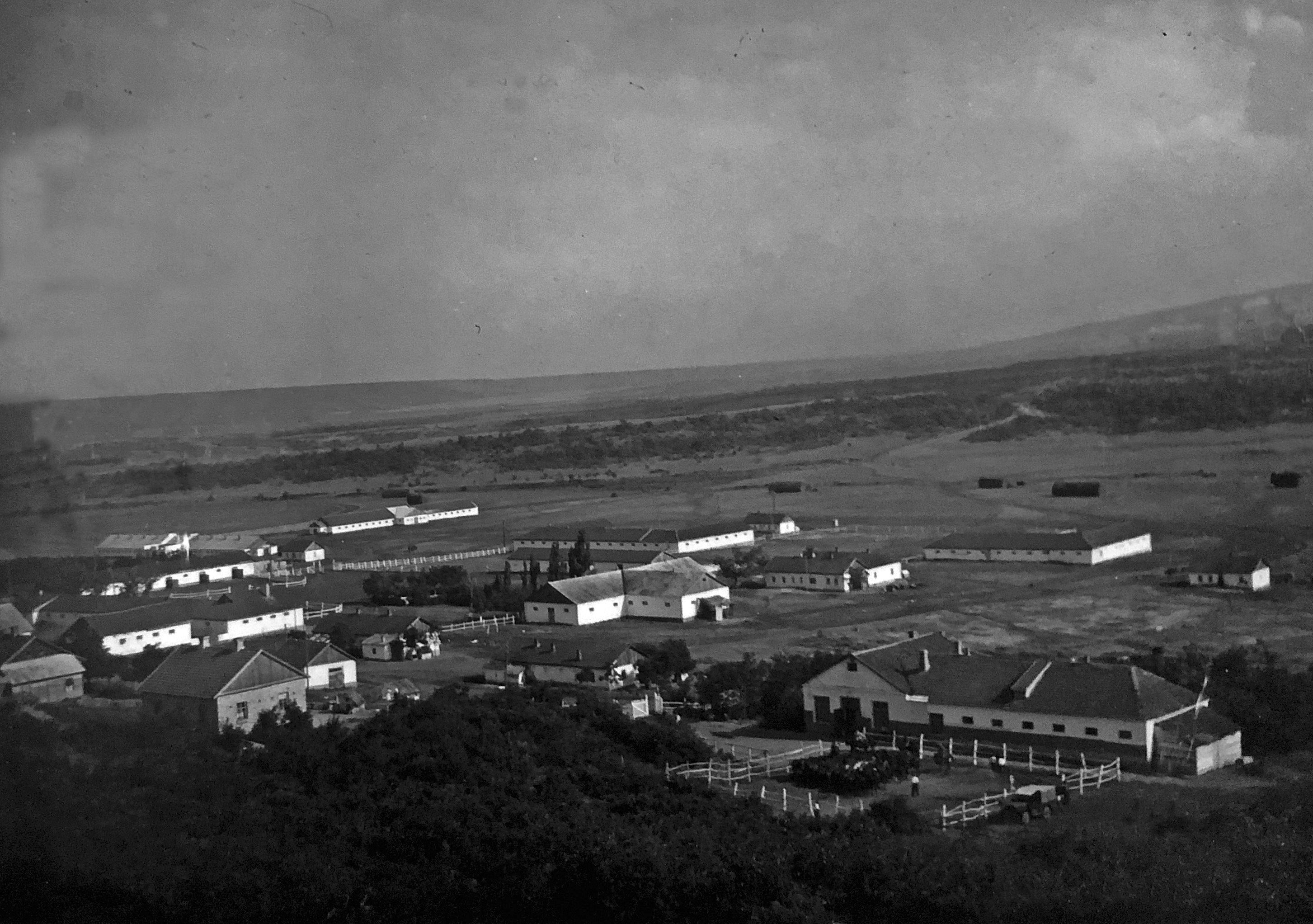
Подписание указа о создании Терского военного конного завода (на территории Графского имения) для разведения арабских лошадей для кавалерийских офицеров.
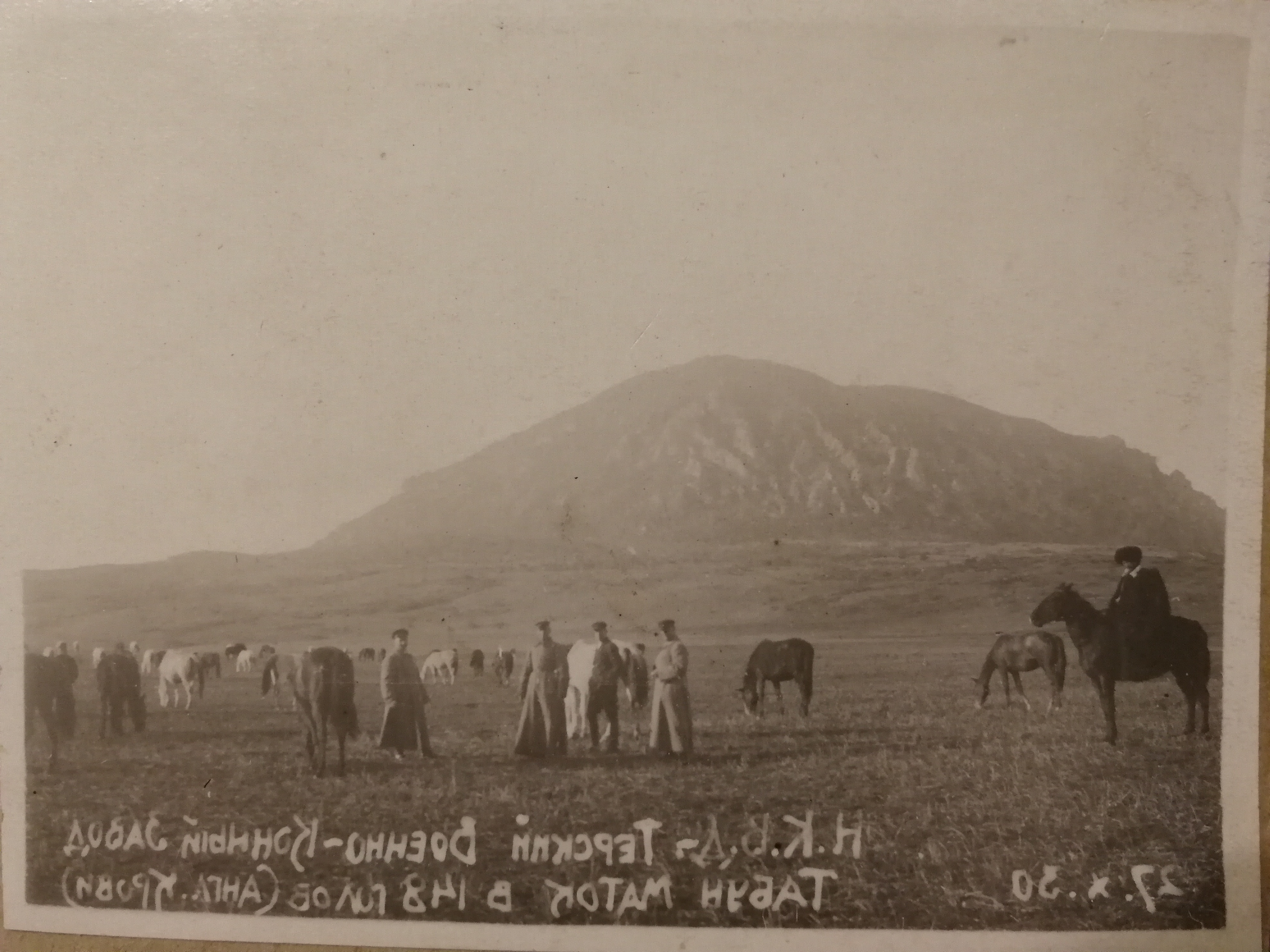
По указу маршала Семёна Михайловича Буденного Терский становится Государственным Военным Конным Заводом под номером 169.
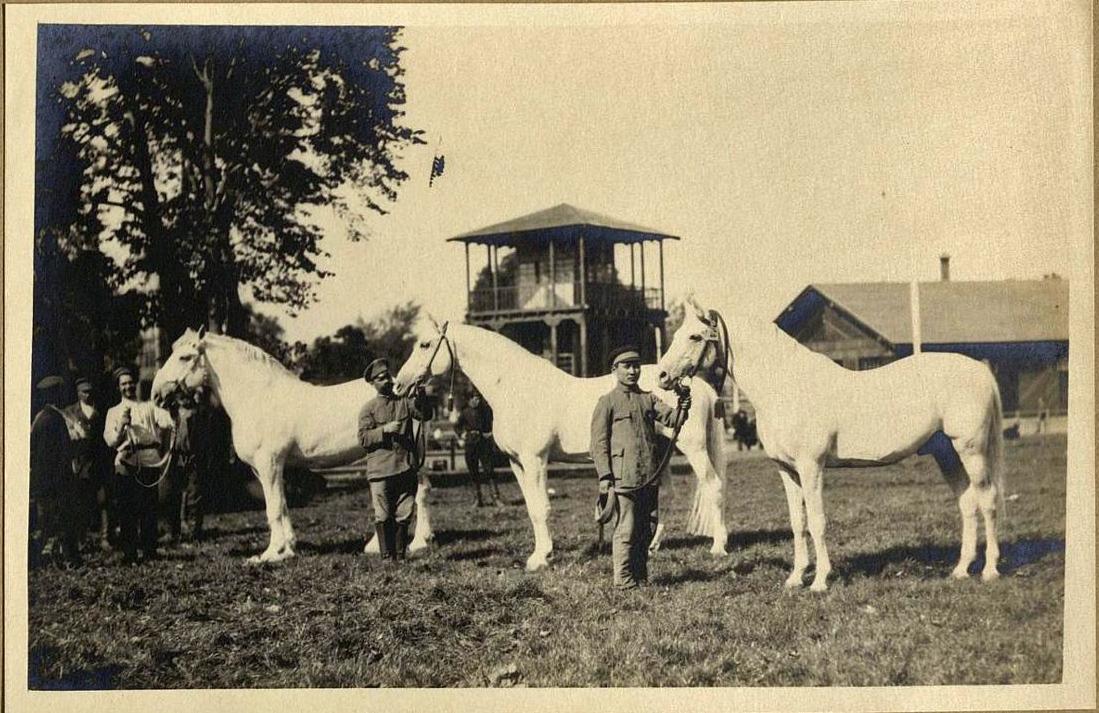
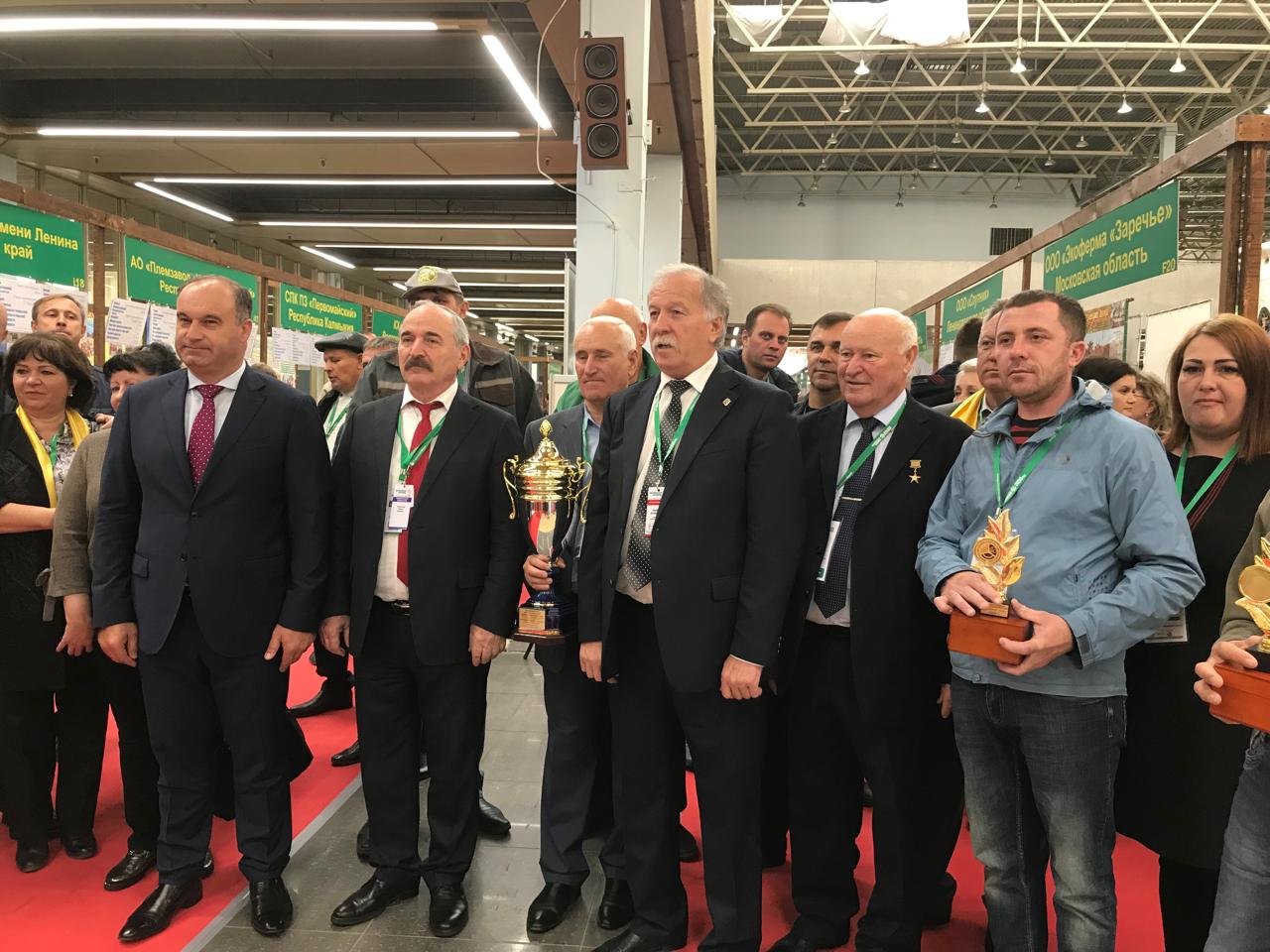
Первая Всероссийская сельскохозяйственная и кустарно-промышленная выставка в Москве, коллектив конного завода и жеребец Цилиндр получают Большую Серебряную Медаль.
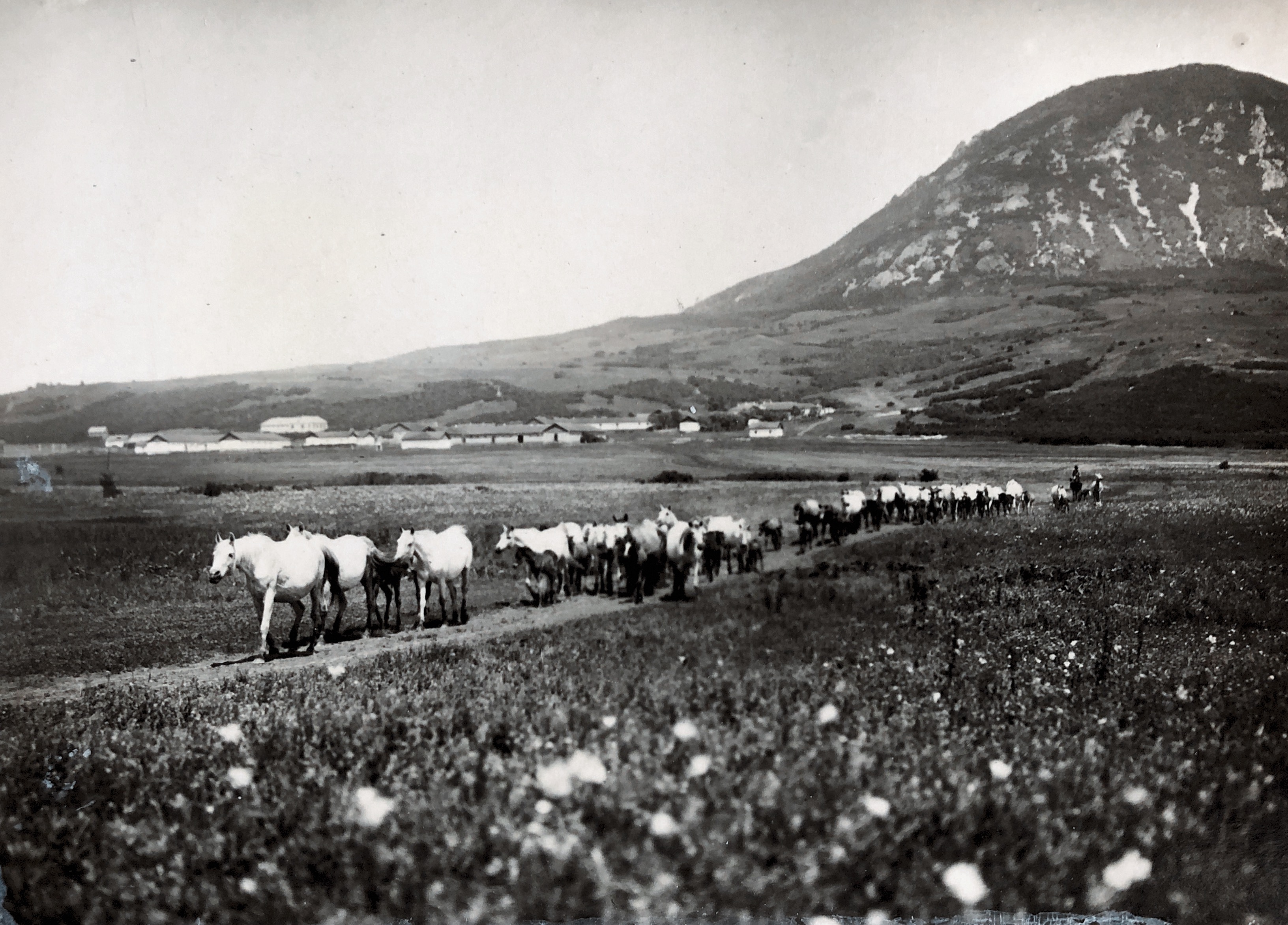
Терский конный завод получает статус «племенного» и начинает интенсивную селекционную работу. Первоначально ориентировались на восстановление стрелецкой породы, но из-за малочисленности сохранившихся лошадей было принято решение сосредоточиться на арабской чистокровной.
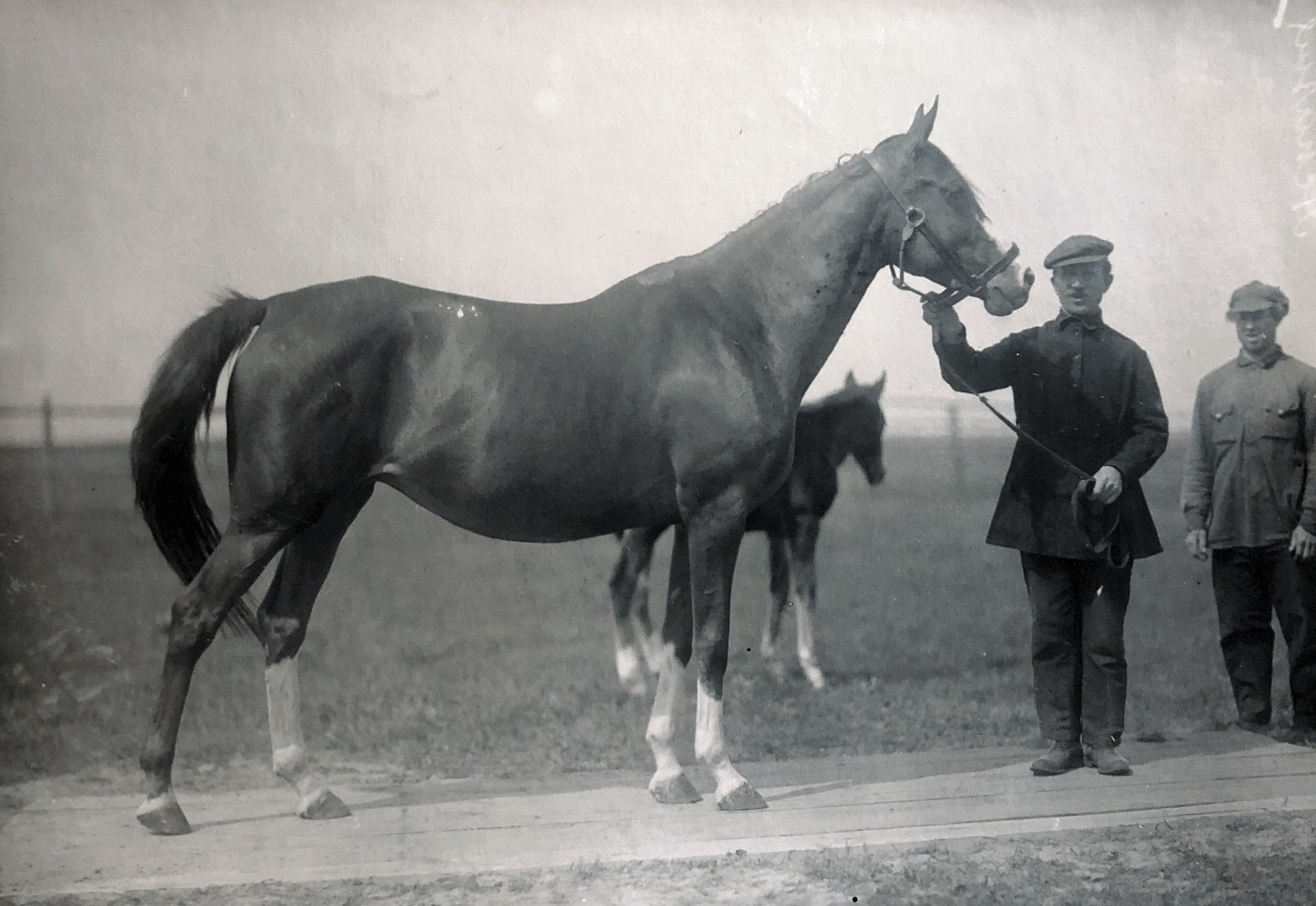
Из Венгрии поступило 26 племенных кобыл шагия-арабской породы и полу-арабских помесей и два жеребца, послуживших основой формировании терской породы.
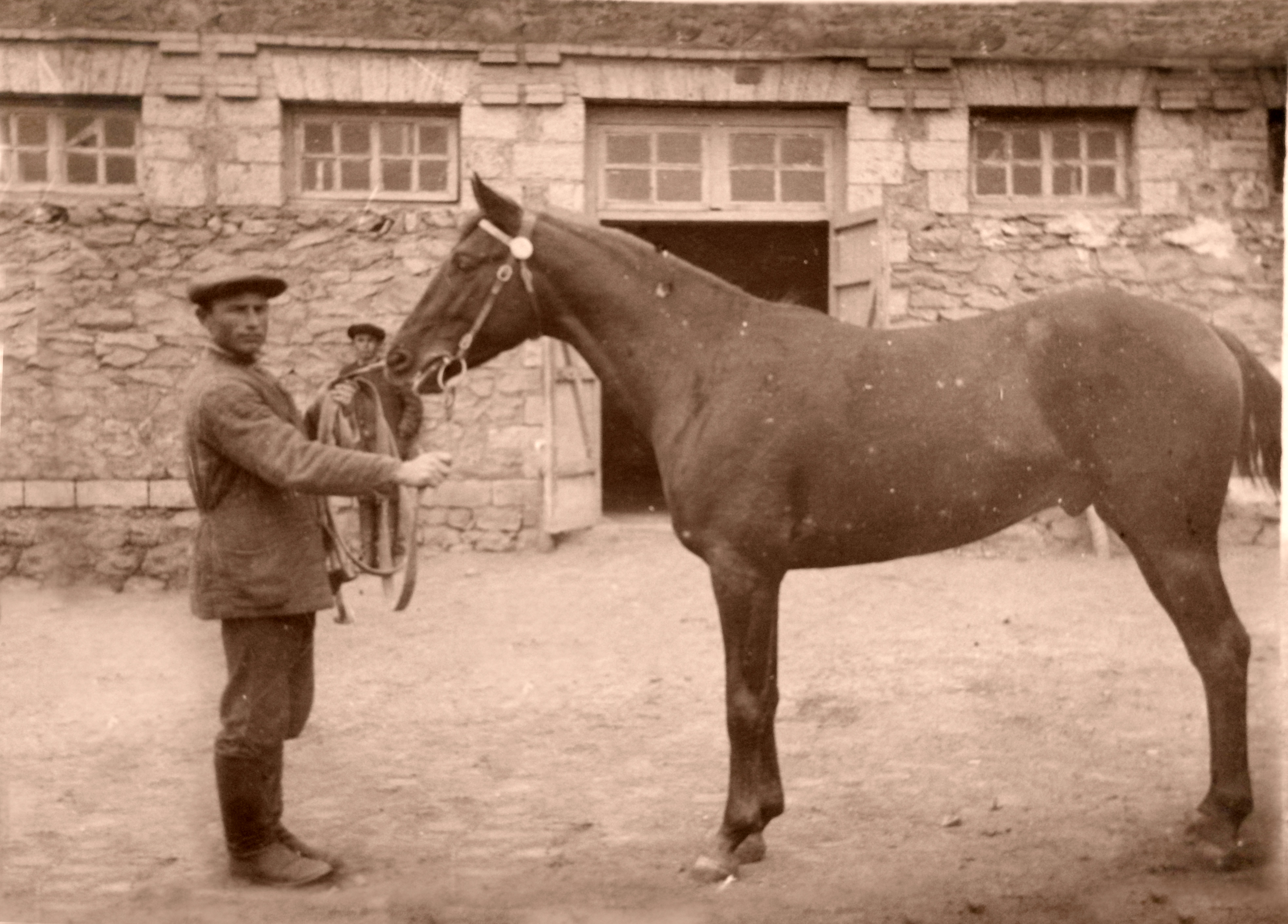
Из Франции в завод поступили 6 чистокровных арабских кобыл и жеребец Канн, что заложило основу для самостоятельного разведения арабских лошадей в Советском Союзе.
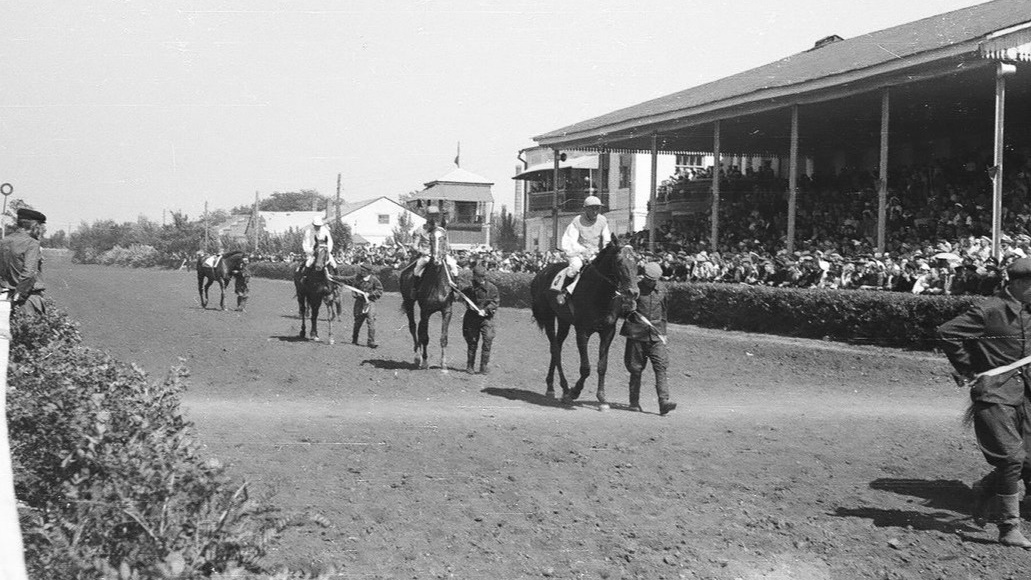
Начало скачек для лошадей «восточных пород» в СССР и участие в них лошадей Терского конного завода. Деспот стал первым победителем.
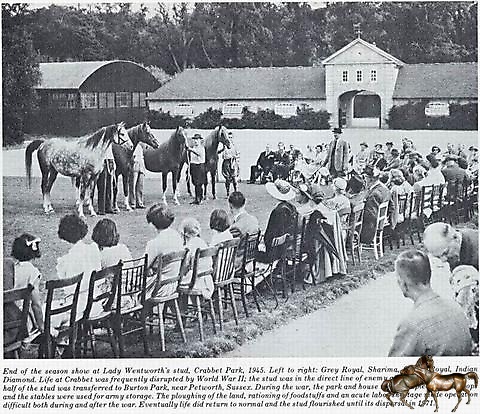
Из Англии в Терский завод импортированы 25 арабских лошадей: 6 жеребцов и 19 кобыл, которые были включены в племенную работу.
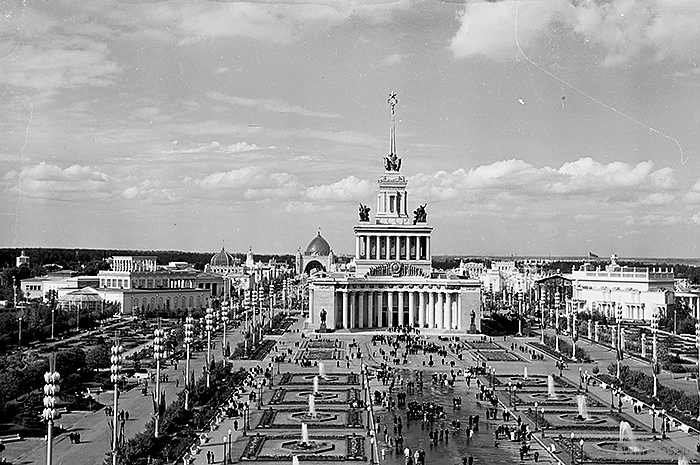
Всесоюзная Сельскохозяйственная Выставка. Коллектив конного завода награжден Серебряной Медалью за восстановление стрелецкой породы. В том же году из Польши была выведена большая группа трофейных арабских лошадей.
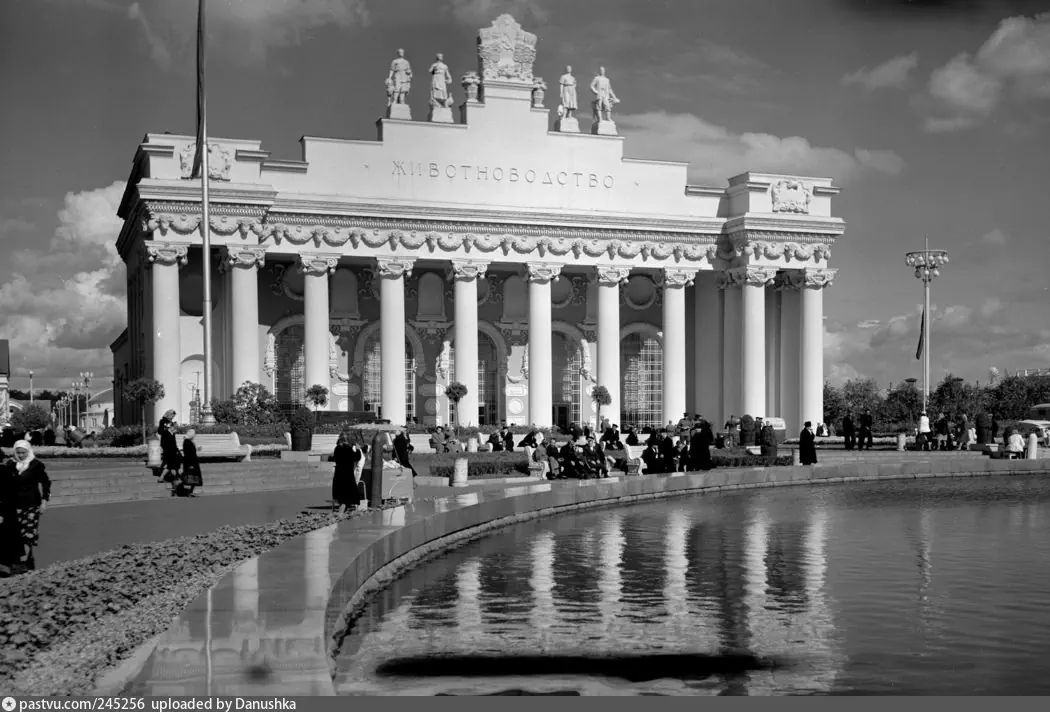
Все поголовье конного завода находится в эвакуации в Западном Казахстане, где, несмотря на тяжелые условия табунного содержания, арабские лошади были сохранены.
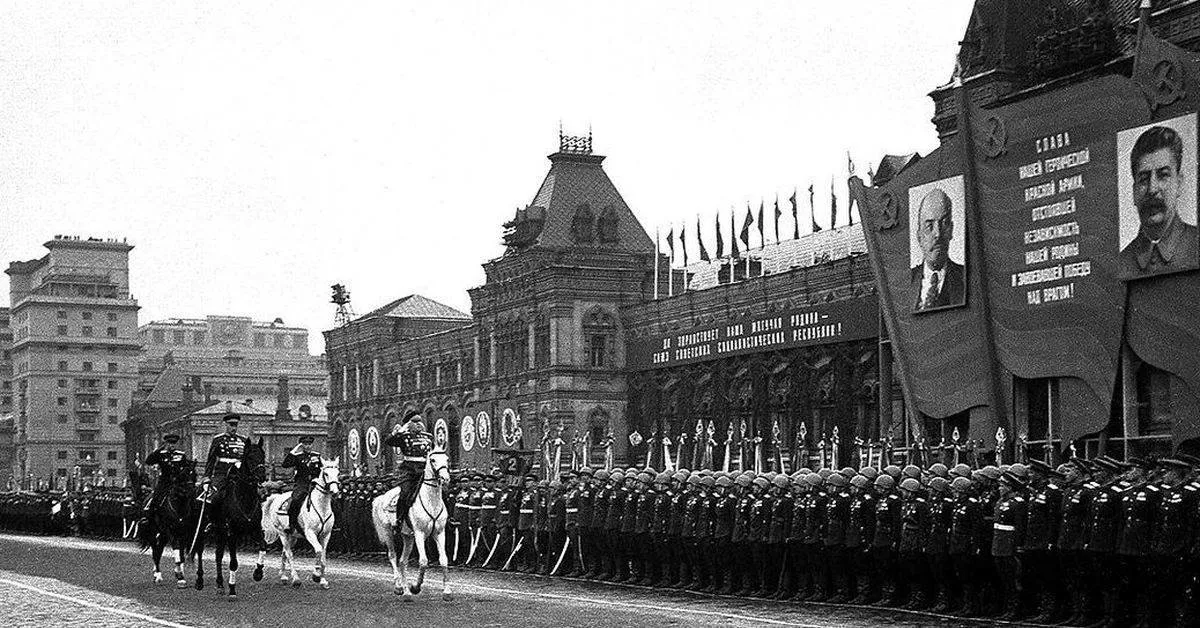
На жеребце терской породы Кумире, выращенном в нашем конзаводе, маршал Георгий Константинович Жуков принимал Парад Победы. В том же году было принято решение о том, что Терский конный завод будет заниматься разведением только чистокровных арабских лошадей.
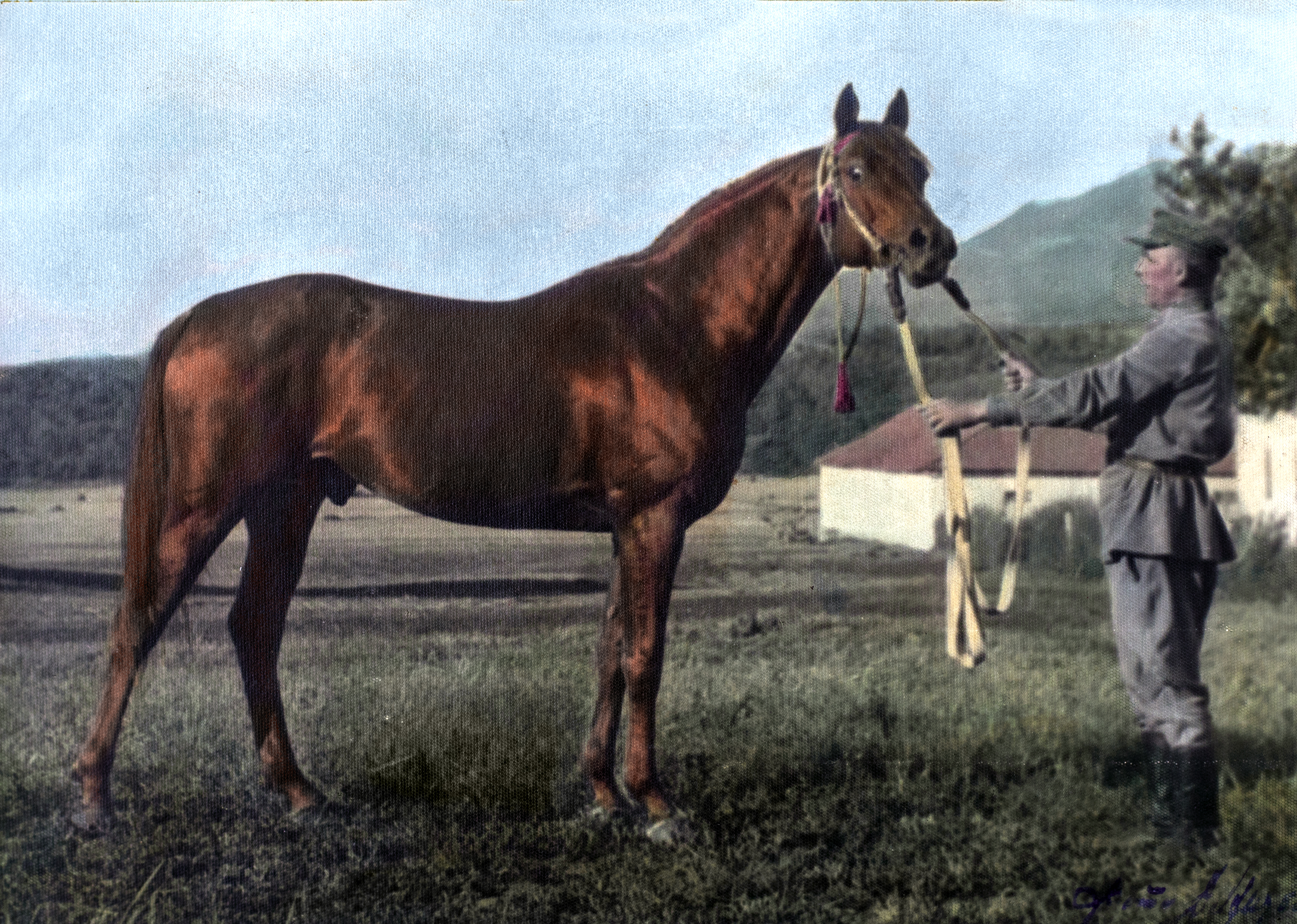
Впервые, самые престижные традиционные призы начинают проводиться в «чистоте». Легендарный Прибой выигрывает на Пятигорском ипподроме Всероссийское Дерби. В том же году на Терский конзавод передается из Кировского конного завода 9 ценных арабских кобыл из Германии.
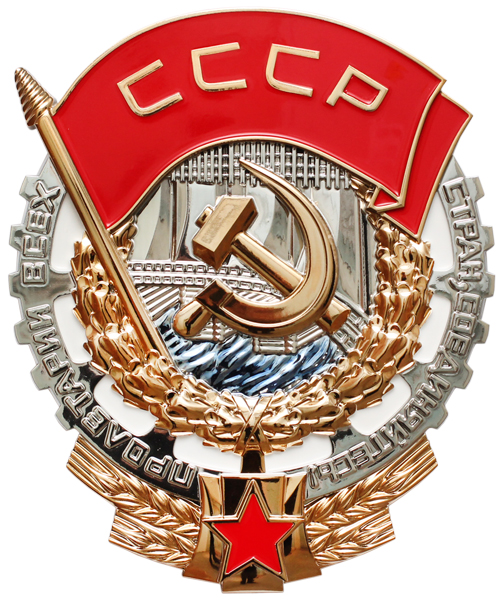
Новая порода, созданная на базе конного завода, официально получила название «Терская», а конный завод за вклад в формирование породы был награжден Орденом Трудового Красного знамени.
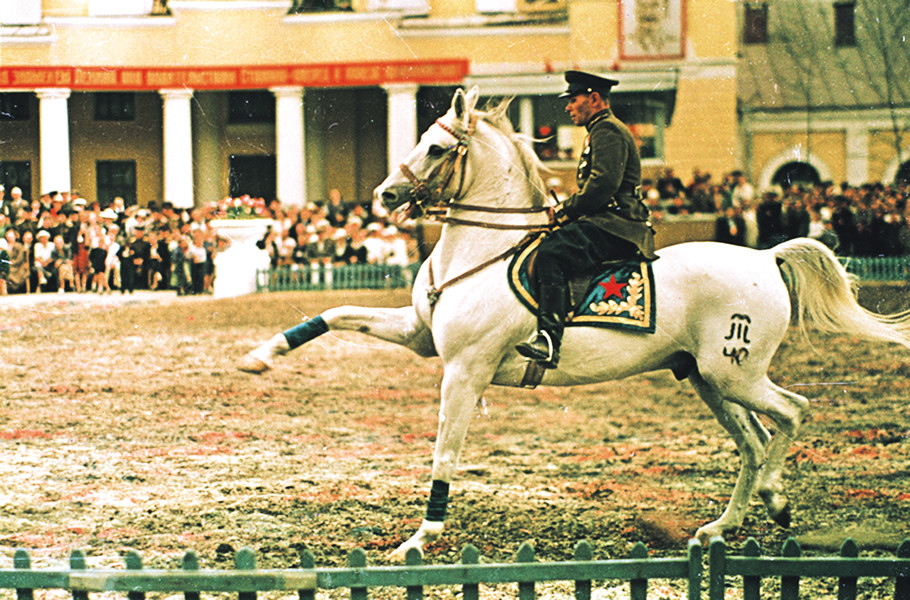
Хельсинки. Первая летняя Олимпиада, в которой участвовали советские спортсмены. Терский жеребец Цецар под седлом Николая Алексеевича Ситько представляли СССР на этих соревнованиях.
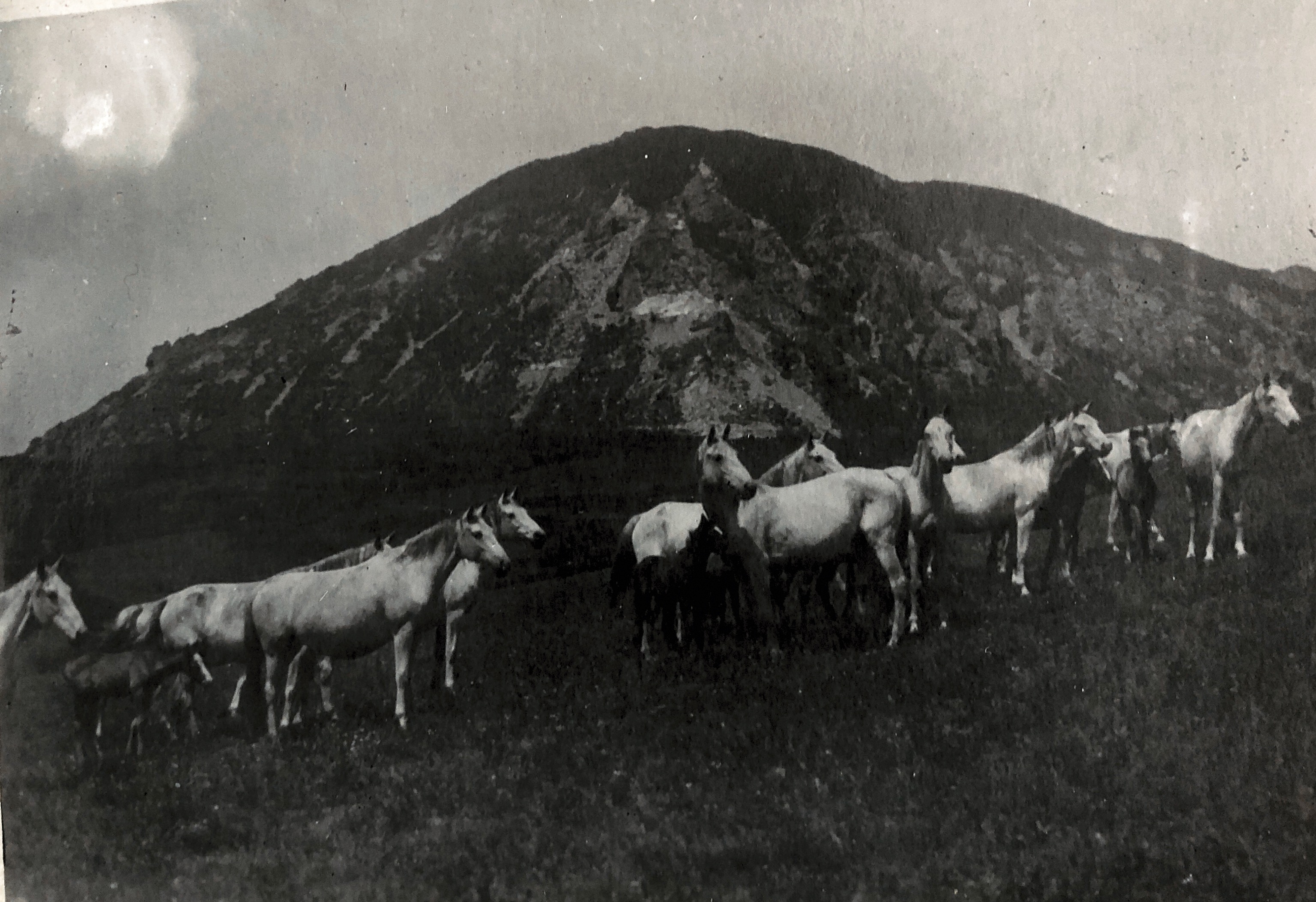
Кавалерия в Советской Армии была упразднена. Все Военные конные заводы, включая Терский, были отданы Министерству сельского Хозяйства. Началось масштабное сокращение конского поголовья в стране.
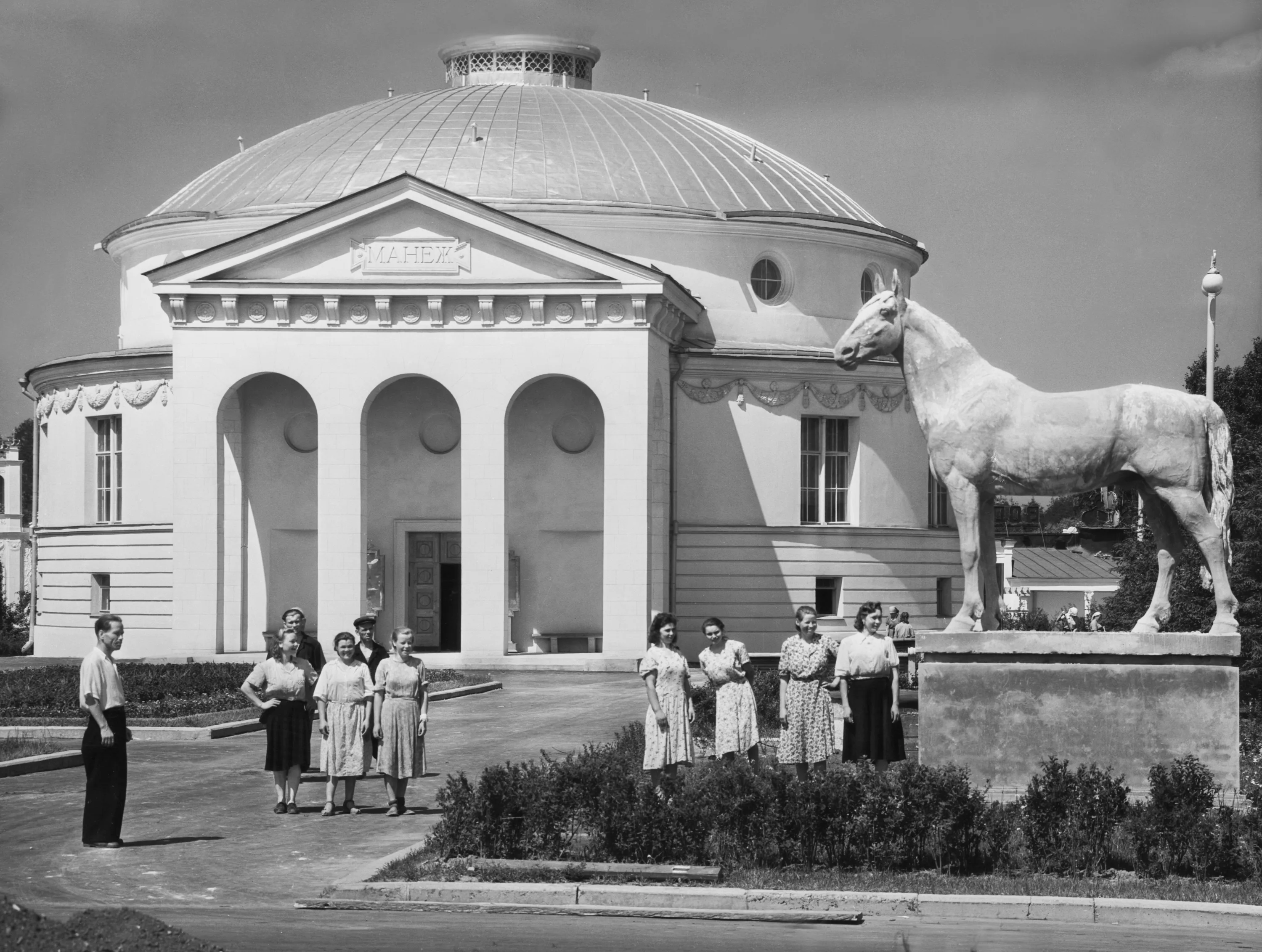
Всесоюзная сельскохозяйственная Выставка возобновляет работу в Москве. До 1960 года лошади завода становятся победителями: Померанец и Набор, Пташка и Понтон, Тактика и Платина принесли Золотые медали!
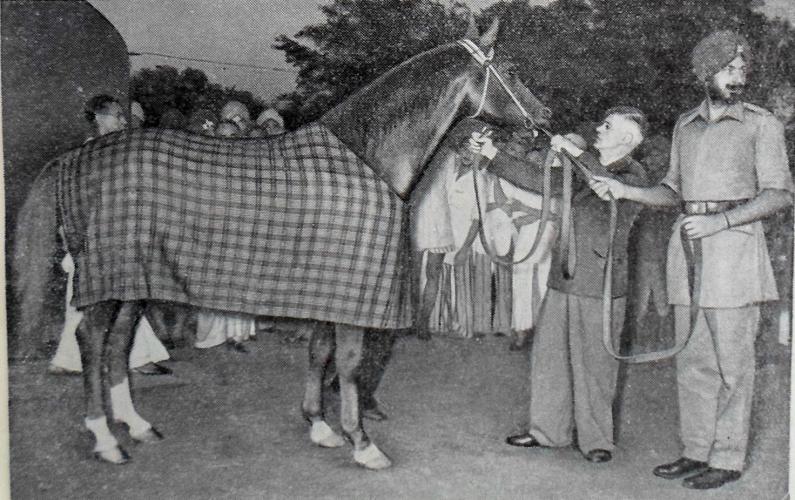
Терский впервые экспортирует арабских лошадей за границу: жеребец Колос в Индию, жеребец Купидон и кобыла Плотина отправлены в подарок Президенту Югославии Иосифу Тито.
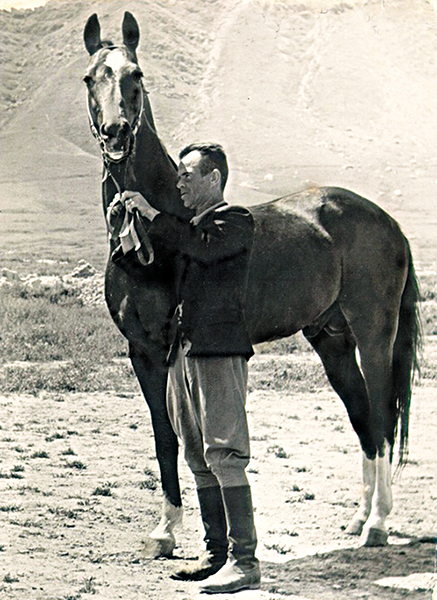
На конный завод приходит работать Владимир Петрович Шамборант и формируется туркменское отделение. Рожденные здесь ахалтекинские лошади стали эталонами породы.
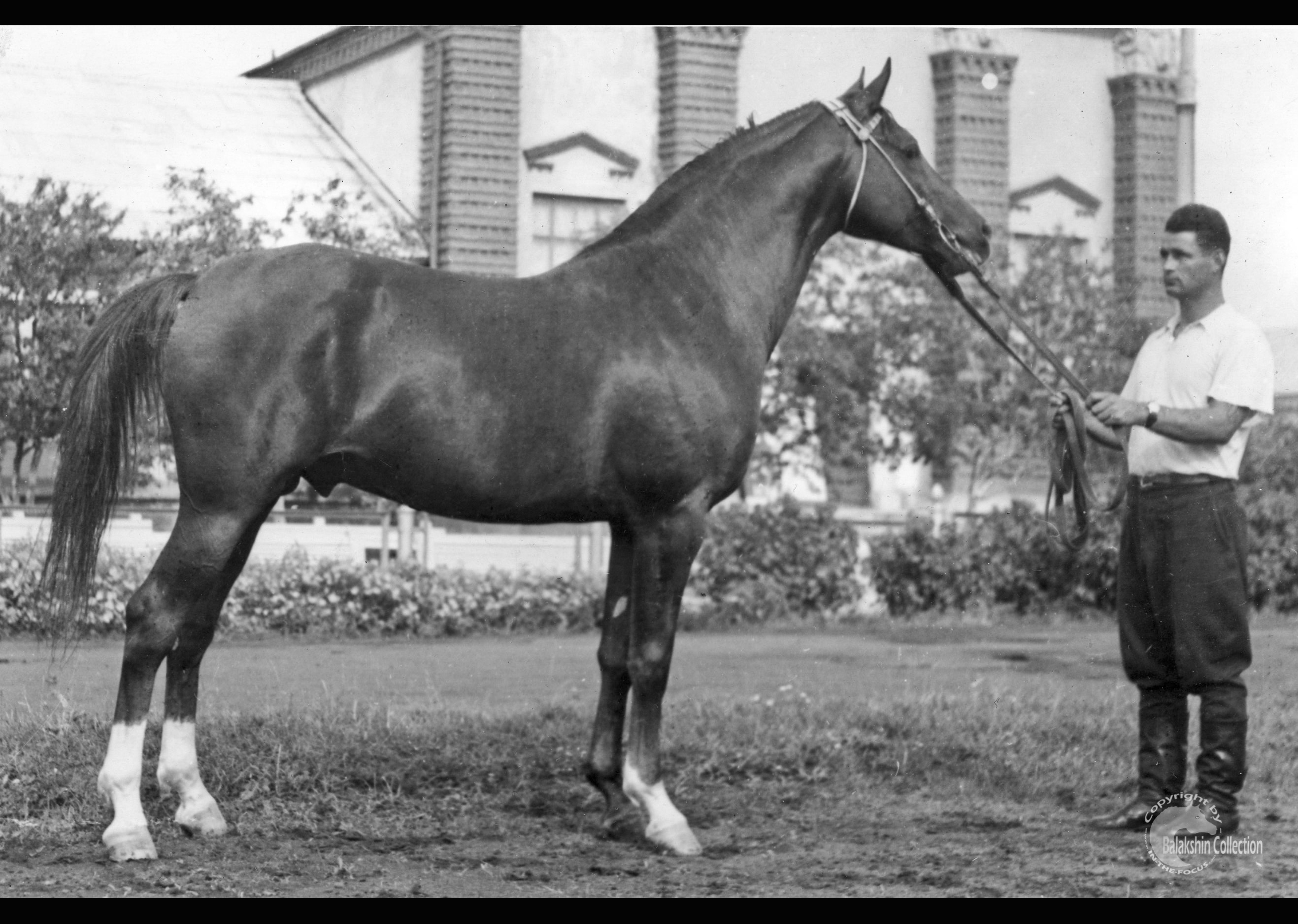
Начинает работу ВДНХ. Арабские лошади Терского завода становятся фаворитами красоты и гармоничности, завоевывая Золотые и Серебряные Медали вплоть до последней ВДНХ СССР в 1987 году.
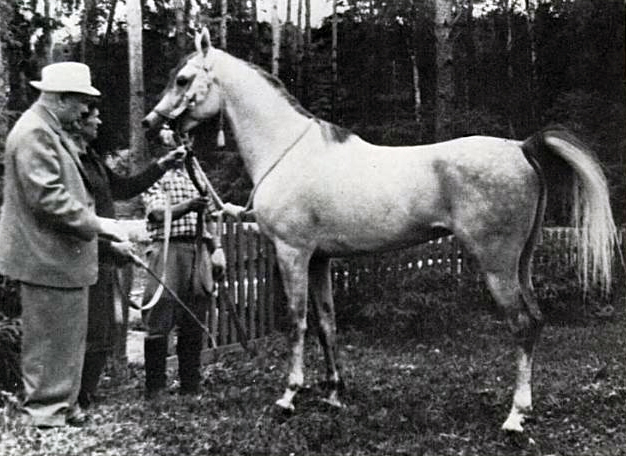
Хрущеву был подарен жеребец Рафаат, который под кличкой Асуан вошёл в мировое арабское коневодство как один из лучших жеребцов XX века.
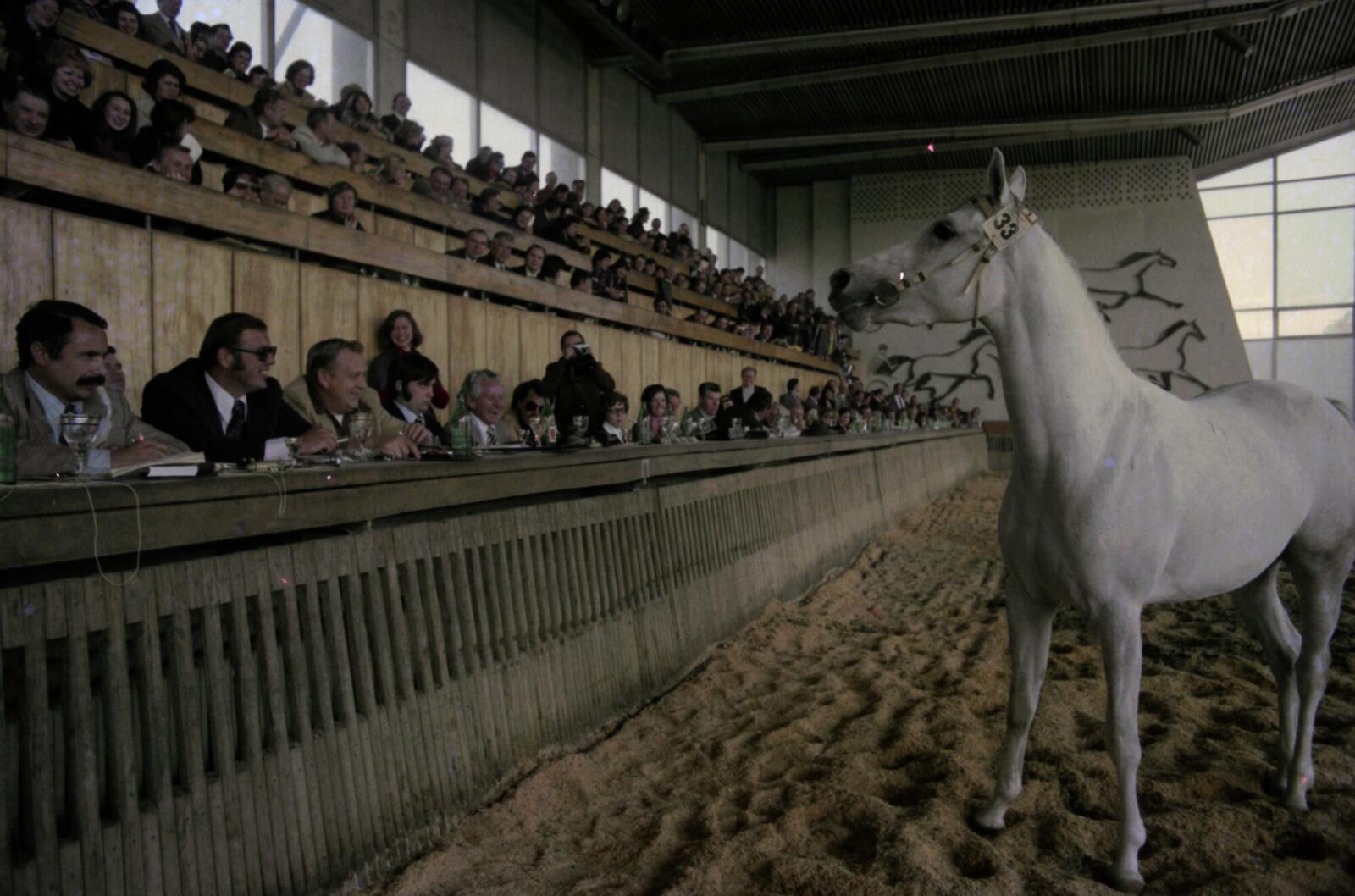
«Русские арабы» впервые обратили на себя внимание на королевской выставке в Лондоне, где первенствовала кобыла Напраслина. Интерес к Терским арабам со стороны Европы и США заметно возрос.
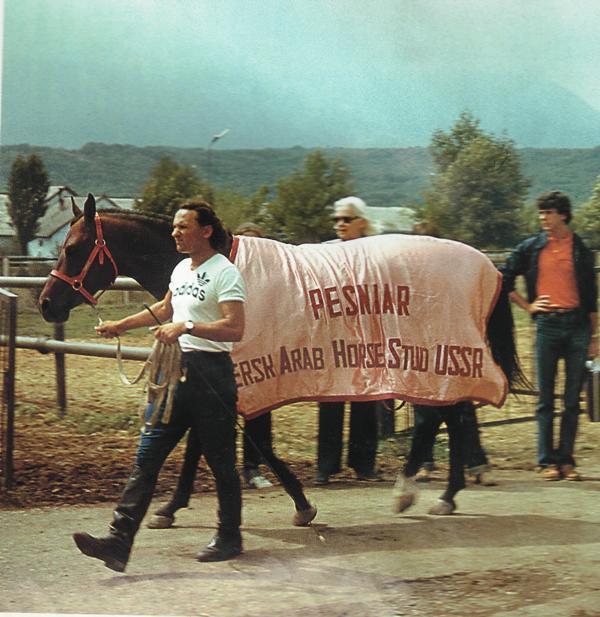
Начало ежегодных аукционов лошадей юга СССР в Терском конном заводе. Позже аукционы были перенесены в Нидерланды под брендом «Tersk-Kossack Sale».
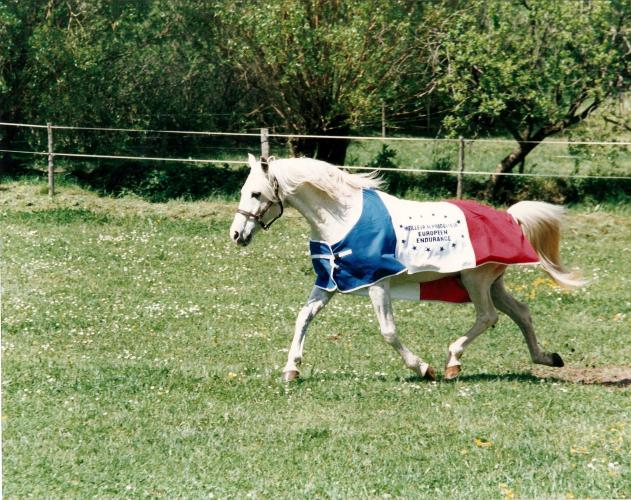
Чемпионом Франции в пробегах становится Персик, впоследствии ставший культовым производителем пробежных лошадей мирового класса.
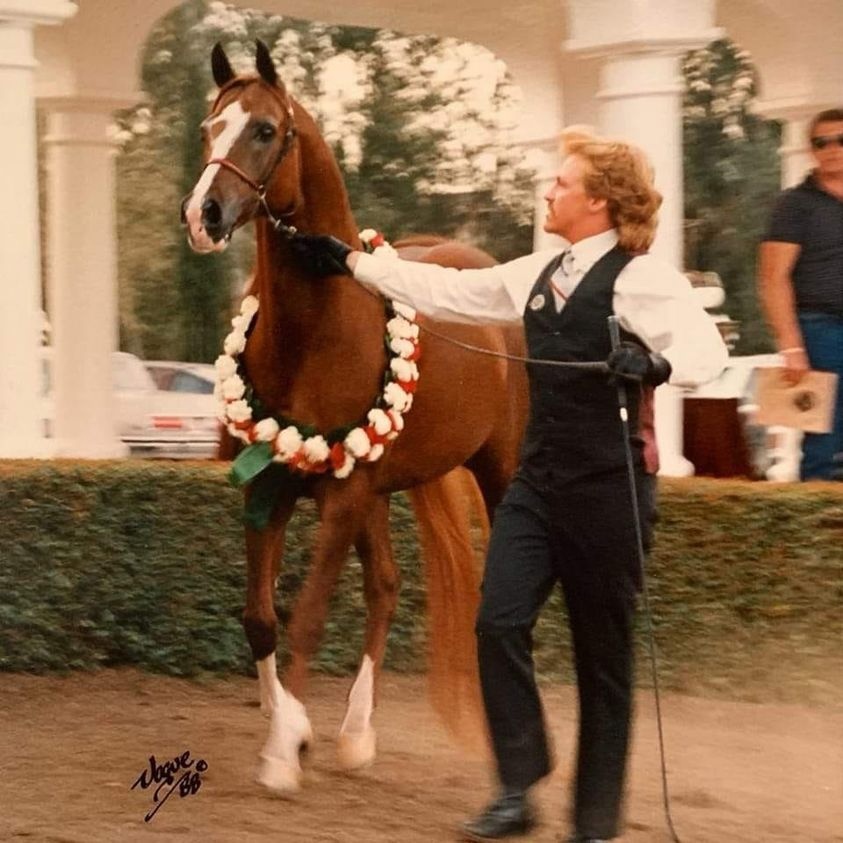
Чемпионом США, Канады и престижного шоу «Scottdale» становится Мускат. Титул «Чемпиона Европы» получают жеребец Муслин и кобыла Пенза.
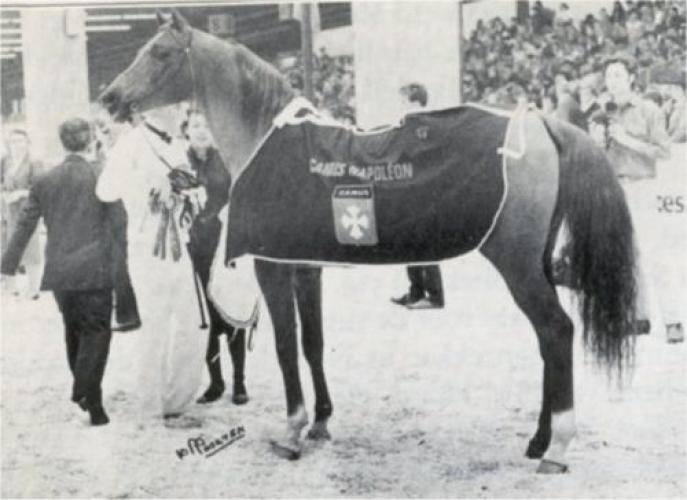
Серебряным Чемпионом Мира становится жеребец Комплект, а двумя годами позднее он же забирает Пальму Первенства и «корону» Чемпиона Мира.
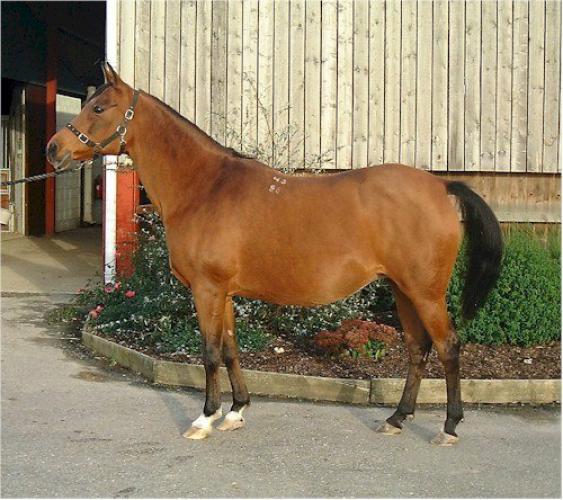
Королевские семьи ОАЭ и Катара приобретают лошадей Терского завода для своих конных заводов. Их потомки успешно выступают на ипподромах Европы и Ближнего Востока.
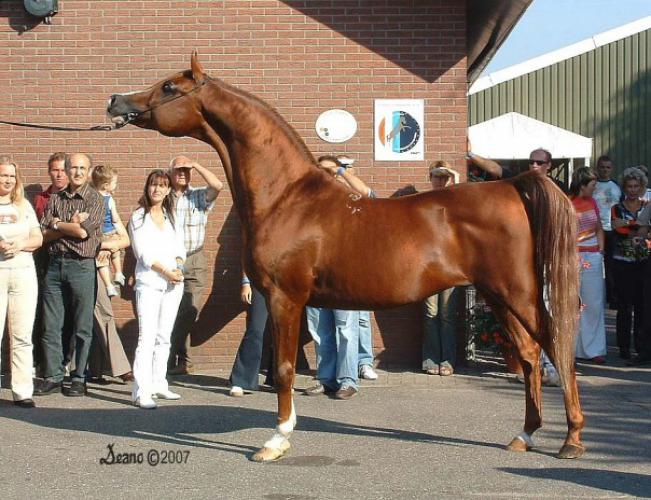
Жеребец Кубинец становится Чемпионом Европы и Чемпионом Мира. Позднее получает международный титул «Элита» и «Пятизвездочного производителя» арабской породы.
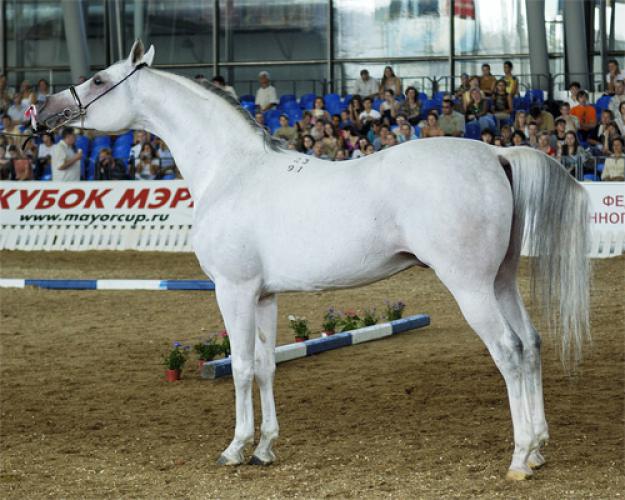
На Пятигорском ипподроме состоялся Первый Чемпионат России, где питомцы Терского были вне конкуренции: Пилигрим, Мадьяр, Мармеладка, Вакханка, Маскарад, Библия и Альбатрос одержали победы.
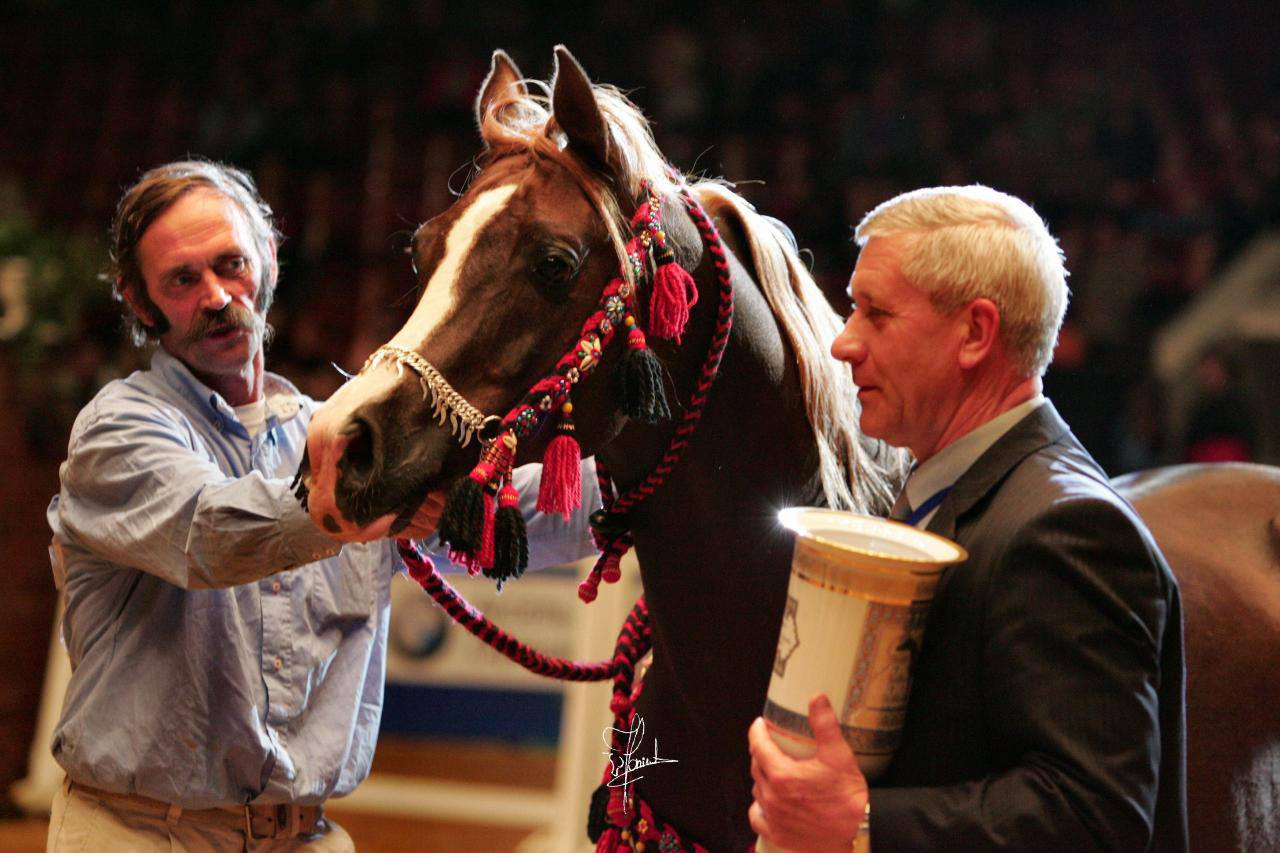
Впервые в России проводится шоу по международным стандартам. Терский конный завод награждается «Жемчужным крестом» за племенную работу с арабской породой.
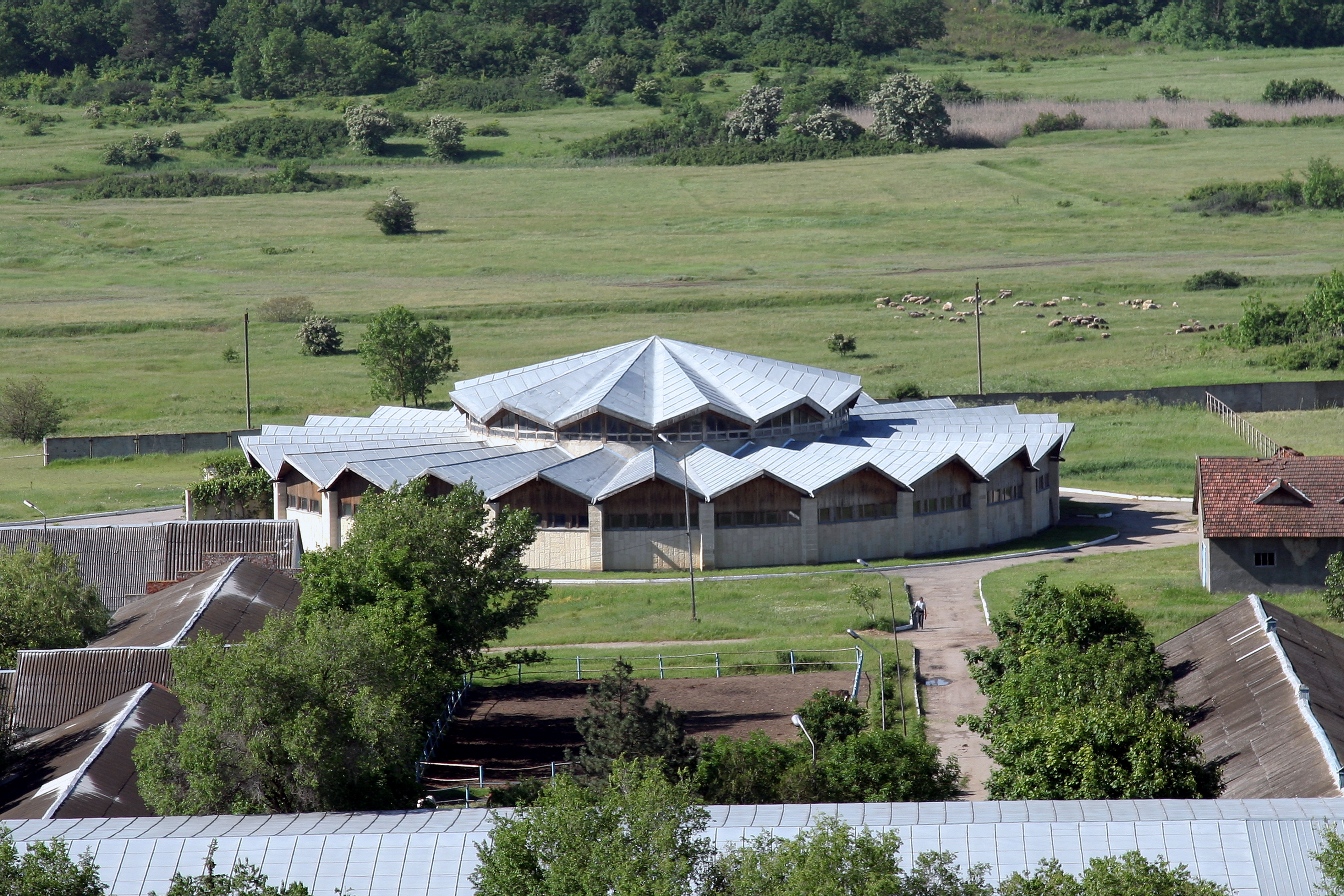
Терский конный завод отмечает 110-летний юбилей. За это время было выращено более 5000 чистокровных арабских лошадей.
Терский конный завод становится членом Всемирной организации арабского коневодства (WAHO). Это признание высокого качества племенной работы.
Проведена масштабная реконструкция исторических конюшен и манежа. Созданы современные условия для содержания лошадей и проведения соревнований.
Открытие нового музея истории Терского конного завода. Экспозиция рассказывает о более чем вековом развитии арабского коннозаводства на Северном Кавказе.
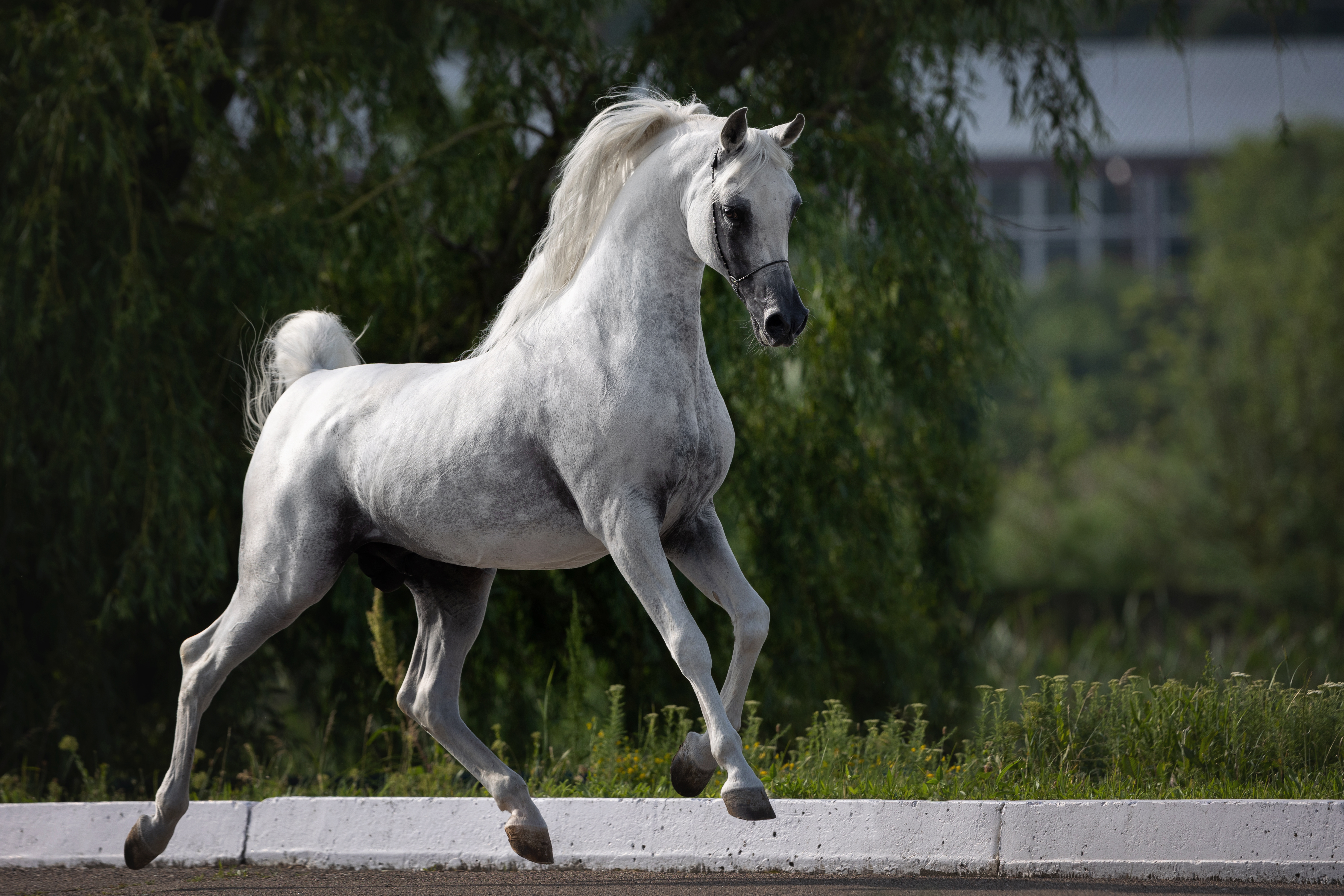
На конный завод поступил платиновый чемпион мира жеребец Баандерос, подаренный королём Саудовской Аравии Салманом ибн Абдул-Азиз Аль Сауд Президенту РФ Владимиру Владимировичу Путину. За период племенного использования в Терском получено 16 перспективных жеребят. В ноябре 2023 Баандерос передан в Катар на конный завод «Rawdat E'Thanya», где продолжает племенную карьеру и принял участие во Всемирном фестивале арабских лошадей в Дохе.
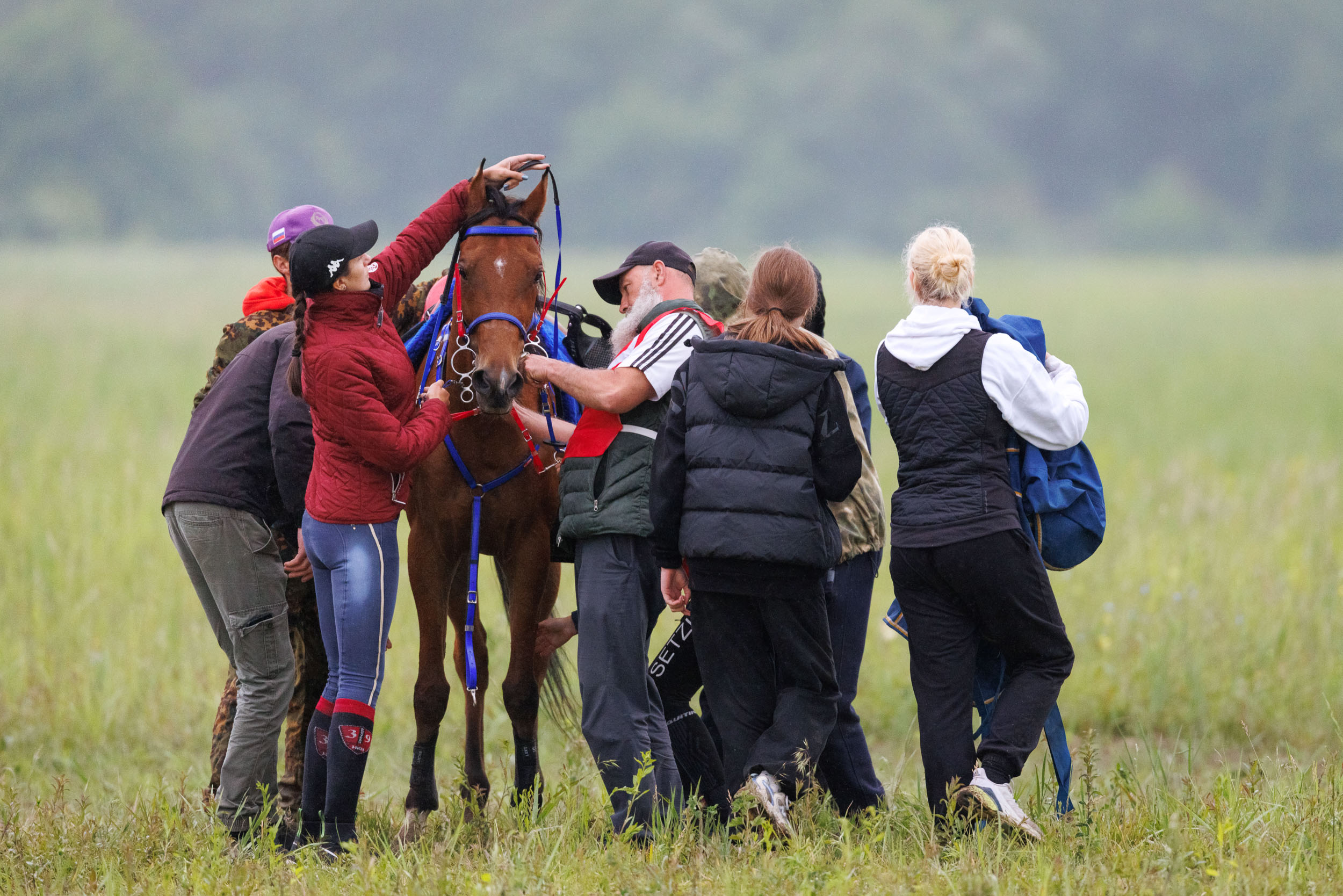
Терский конный завод продолжает традиции разведения арабских лошадей, сохраняя уникальные линии и семейства. Терские лошади успешно выступают на международных соревнованиях.
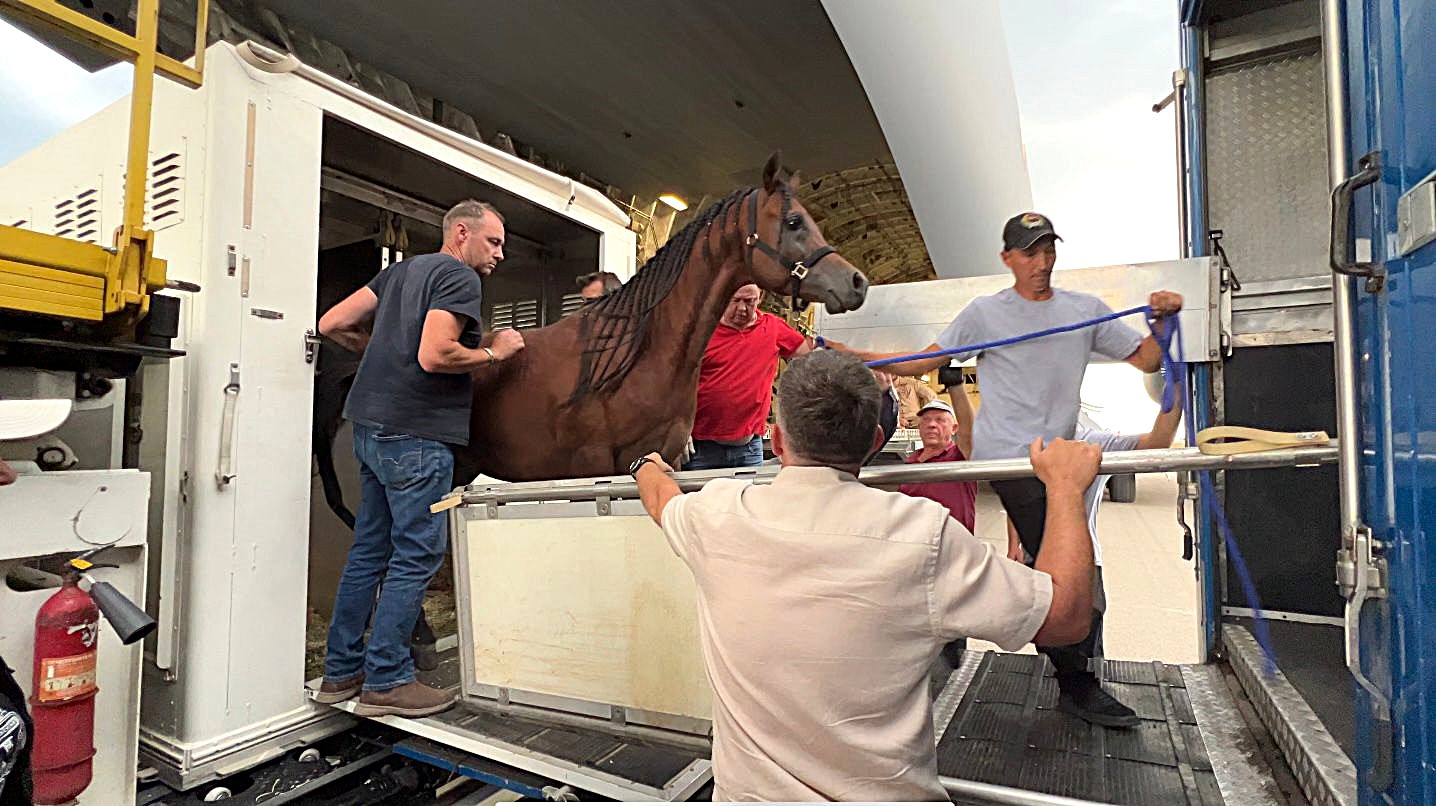
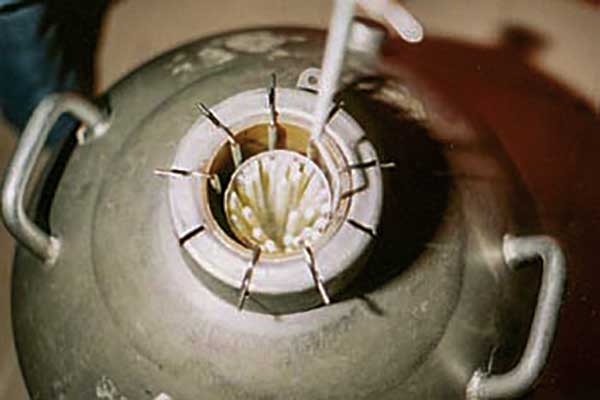
Из Катара в дар Конному заводу была передана исключительная по качеству партия лошадей и глубокозамороженного семени.
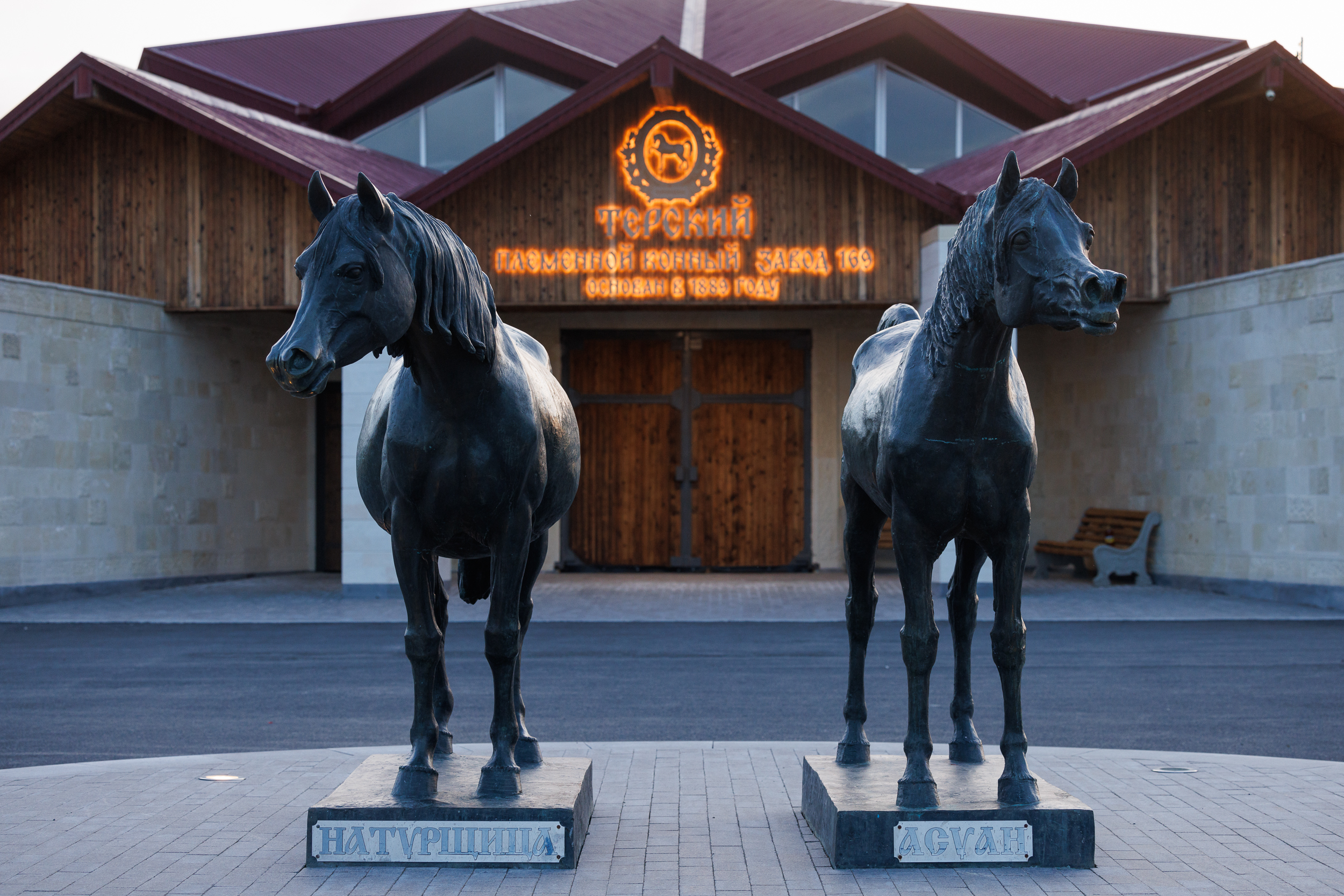
Проведена реконструкция входной зоны, центральной аллеи и племенной конюшни. Построен Дом Приёмов.